Alberta’s periodic flirtation with separatism is often dismissed as anger, extremism, or political theatre. That dismissal is a mistake. Separatist sentiment in Alberta is not born primarily of ideology, nor of a deep desire to leave Canada. It is born of emotion—specifically, a durable mix of alienation, powerlessness, and disrespect. If those feelings are ignored, they harden. If they are understood, they can be addressed.
One of the most effective ways to do so is not separation, but electoral reform—specifically proportional representation (PR).

Many Albertans feel that federal politics happens to them, not with them.
Election after election, the outcomes feel pre-determined by regions thousands of kilometres away. Federal policy—especially on energy, climate, and fiscal redistribution—often appears to be designed without Alberta’s economic realities in mind. When concerns are raised, the response can feel dismissive or moralizing rather than collaborative.
Over time, this produces several corrosive emotions:
- Alienation: a sense of being permanently outvoted
- Powerlessness: the belief that voting and engagement change nothing
- Resentment: feeling economically useful but politically disposable
· Loss of trust: skepticism that federal institutions act in good faith
When people feel locked out of influence, they eventually look for exits. Separatism becomes less a plan than a cry of frustration: If this system doesn’t work for us, why remain bound to it?
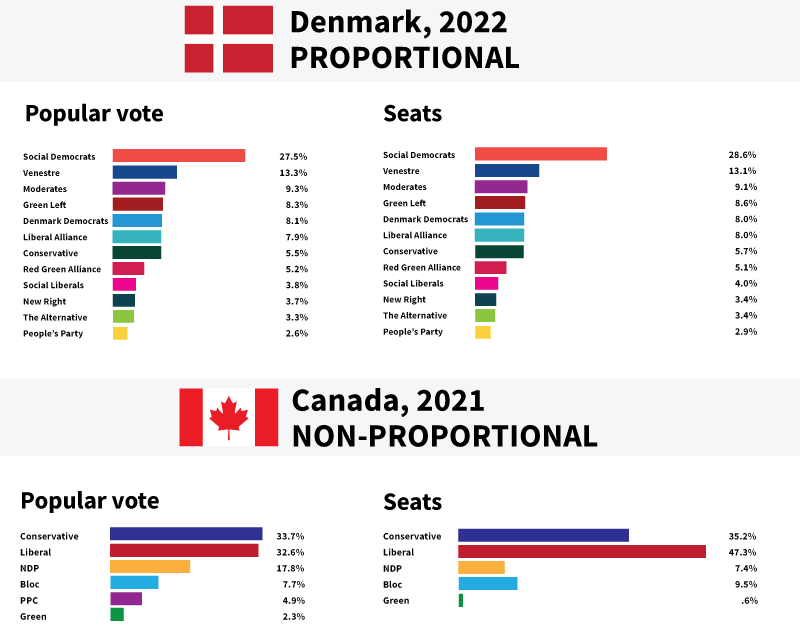
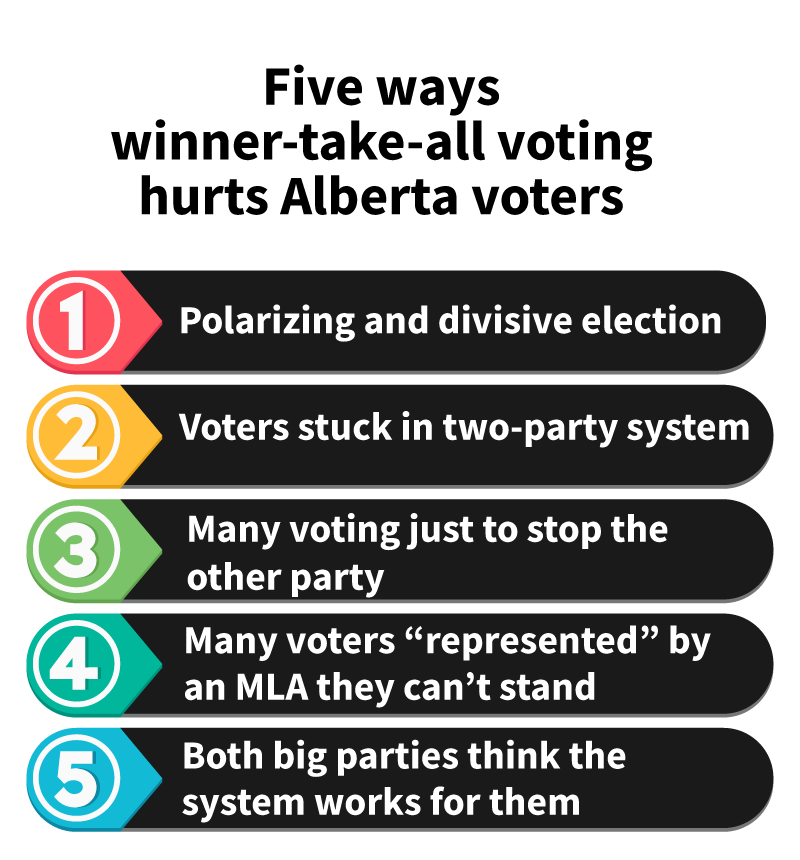
Canada’s First Past the Post (FPTP) electoral system magnifies regional polarization:
- A party can win absolute power with a minority of the national vote
- Entire regions can be politically “written off”
- Millions of votes translate into no representation at all
In Alberta, this often means overwhelming support for one party yields little actual influence over government formation, while votes for other parties feel futile. The result is a paradox: strong participation, weak impact.
This structure doesn’t just distort outcomes—it communicates exclusion. It tells voters, implicitly, that unless they align with the dominant national coalition, their voices do not matter.
That message is emotionally unsustainable.
Proportional representation doesn’t promise that Alberta will always “get its way.” No democratic system can or should do that. What it promises instead is something more fundamental: fair representation and real influence.
PR helps lessen separatist feelings in several key ways:
1. From Powerlessness to Agency
Under PR, nearly every vote helps elect someone. Alberta voters who support minority viewpoints—whether progressive, centrist, conservative, or regional—would see their votes reflected in Parliament.
This restores a basic democratic truth: participation matters. When people believe they have agency, they are far less likely to seek radical alternatives.
2. From Alienation to Inclusion
PR produces parliaments that reflect the country as it actually is—not as a set of regional winner-take-all blocs.
Instead of Alberta being represented as a single political voice, its internal diversity becomes visible and legitimate. That diversity strengthens, rather than weakens, Alberta’s standing in national conversations.
Being seen matters. Being heard matters more.
3. From Moral Conflict to Negotiation
Winner-take-all systems encourage moralized politics: one side governs alone, the other is framed as wrong.
PR replaces this with structured negotiation. Coalitions require dialogue, cooperation, and ongoing consent. Alberta’s interests would no longer hinge on a single party’s fortunes, but on its ability to build alliances across Parliament.
That shift reduces resentment and increases respect.
4. From Protest to Participation
Separatism often functions as protest language when normal channels feel blocked.

 Fair Vote Canada | Edmonton Chapter
Leave a comment